
A tree can look harmless even when something is wrong with it. From the ground you might notice a few untidy branches and think nothing of them. Look closer though and you may find cracked limbs. Dead wood. Weak branch joints or signs of decay. An overgrown tree can cause trouble too. Its branches may stretch across a roof. Cover a window or hang over a path where people walk every day.
Trees need room to grow. They also need care when their growth starts to get out of hand. That does not mean cutting them back whenever they become large. Every tree has its own shape and character. A good tree surgeon knows when to cut and when to leave the tree alone.
Tree Surgery Preston can help homeowners deal with trees that have become too large or suffered damage. The work may involve pruning. Crown reduction. Deadwood removal or in more serious cases tree removal. The right choice depends on the tree and the risks around it.
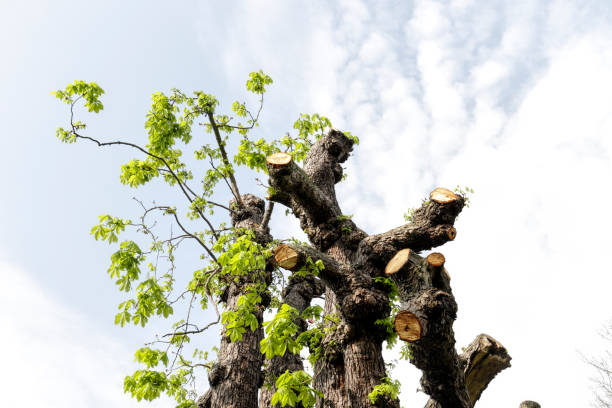
Why Do Overgrown Trees Need Attention?
Trees do not stop growing just because they have reached a certain size. Branches keep stretching. Crowns become denser. Some limbs become heavier than others. After several years a tree that once fitted the garden perfectly can start crowding the space around it.
You may notice branches brushing against the roof or touching nearby walls. Perhaps sunlight no longer reaches the garden. In another case the tree may hang over a driveway and drop branches onto cars.
That does not mean the tree has become useless. A skilled tree surgeon can often bring its growth under control without removing the whole tree. Selective pruning can open up the crown and create a better balance. The trick lies in knowing what to remove. Cut the wrong branch and you can change the tree’s structure for years. Cut too much and you may put the tree under unnecessary stress.
How Can Tree Surgery Make a Damaged Tree Safer?
A damaged tree deserves attention before a small defect turns into a bigger headache. Storms can split branches. Vehicles can strike trunks. Construction work can disturb roots. Even a branch that rubs against another branch for years can develop a weak spot. Some damage stands out at once. Other problems hide high in the crown.
Imagine a large branch with a deep crack near its base. It might look stable on a calm afternoon. A spell of strong wind could change that situation in minutes. The branch could snap and fall onto a shed. Fence or parked vehicle.
Tree surgery gives professionals a chance to find these weak points. They can remove dangerous limbs and reduce weight where needed. They can also decide whether the whole tree remains safe. That assessment matters. Not every damaged tree needs to come down.
What Problems Can an Overgrown Tree Cause?
An overgrown tree can affect much more than the view from a window. Thick branches can block street signs and lights. They can scrape against roofs and walls. Roots can also create difficulties around paving and other structures. Then there is the question of light. A dense crown can cast a deep shadow over a garden for much of the day. Grass may struggle to grow beneath it. Flower beds can lose valuable sunlight too.
Some trees become awkward simply because they have grown in a poor direction. One long limb may extend far beyond the rest of the crown. Another may grow towards a building. Pruning can deal with these issues without turning the tree into a bare stump. Good work should leave the tree looking like a tree. That sounds obvious but poor cutting can produce a strange shape that takes years to recover.
How Does Pruning Help a Tree?
Pruning removes selected branches and gives the tree a chance to develop a sounder shape. It can clear away dead wood. Remove damaged limbs and reduce branches that cross or rub against each other. A crowded crown can also benefit from careful pruning. More space between branches allows air to move through the canopy. Light can reach parts of the tree that once sat in heavy shade.
Yet pruning is not a case of grabbing a saw and cutting away anything that looks inconvenient. Trees respond to cuts in different ways. Large wounds can take time to close. Poor cuts may encourage decay. Heavy pruning can also leave a tree with too little foliage. A thoughtful approach makes a difference. The surgeon should have a reason for every major cut.
When Should Damaged Branches Be Removed?
A damaged branch can become a liability. Cracks may widen. Broken limbs may hang loosely in the crown. Dead branches can become brittle and fall during windy weather. You might spot one after a storm. Perhaps a large limb has split but still sits in the tree. Do not assume it will stay there. Branches can shift without warning. Anyone standing underneath could face danger.
A professional can inspect the damage and decide what needs to happen next. Sometimes the answer involves removing one branch. Sometimes the surgeon needs to reduce several limbs to restore balance. If the trunk has suffered serious damage then the situation becomes more complicated. A proper inspection should come before any decision.
Can Tree Surgery Save a Tree?
In many cases it can help. A tree with a few damaged branches may recover well after suitable pruning. Removing dead or diseased growth can stop a problem from spreading into healthier parts of the crown. The roots matter too. A tree with major root damage may face a different future from one with a few broken limbs. Soil compaction. Excavation and changes around the root zone can all affect stability.
Tree surgery cannot perform miracles. Some trees reach a point where removal makes more sense than continued treatment. Safety has to come first when a tree shows severe decay or serious structural failure. Still. homeowners should not rush to remove a tree just because it looks rough. A trained eye may find a practical way to keep it.
Why Is Tree Surgery Useful After a Storm?
Storms can leave behind more than fallen branches. A tree may develop hidden cracks or lose part of its root support. Hanging limbs can remain lodged in the crown for days. After strong winds. take a look at your trees from a safe place. Do you see broken branches? Has the tree started leaning? Are roots lifting from the soil? Does the crown look different from before? These signs deserve attention.
Tree Surgery Preston can help after storm damage when a tree has become difficult or unsafe to manage. Professionals can reach high branches with suitable equipment and deal with damaged sections without putting a homeowner at unnecessary risk. Do not climb a damaged tree to investigate it yourself. One loose branch can turn a simple inspection into an accident.
Can Tree Surgery Improve the Look of a Garden?
Yes. Tree work can change the whole feel of an outdoor space. An untidy crown can make a garden look cramped. Long branches may cover views and shade areas that once received plenty of daylight. Once a professional reduces the unwanted growth the garden can feel more open.
There is an art to this. A tree should not look hacked apart. Its natural shape should guide the work. Good pruning leaves you with a tree that looks as though it belongs in the garden. The difference may seem subtle. That subtlety often shows the quality of the work.
Why Should You Avoid Cutting Large Trees Yourself?
A small garden tree may seem easy to handle. A mature tree is another matter. Large branches carry serious weight. Once you cut through one the branch can swing. Drop or roll in a direction you did not expect. Add height to the situation and the risk rises again. Then comes the equipment. A normal ladder and household saw do not make a tree surgeon.
Professional tree surgeons understand how branches behave under tension. They know how to position equipment and how to lower awkward limbs safely. They also know how to work around roofs. Fences. Wires and other obstacles. Tree Surgery Preston gives property owners a safer route when large or damaged trees need attention.
How Can Regular Tree Care Prevent Bigger Problems?
You do not always need to wait for a tree to become dangerous. Regular inspections can catch trouble while the problem remains manageable. A surgeon might spot a weak union between two branches. Another inspection could reveal decay around an old wound. Small dead branches may also need removal before they become a hazard. This approach can save headaches later. Emergency tree work often follows storms or sudden failures. Planned maintenance gives you more time to decide what the tree needs.
Keep an eye on your trees throughout the year. Watch for unusual changes. A sudden lean. A new crack. Dead patches in the crown. Mushrooms around the base. Loose bark. One small clue can tell you that something deserves a closer look.
What Should You Do If a Tree Looks Unsafe?
Keep people away from the area first. Do not stand beneath questionable branches and do not try to climb the tree. Next. arrange an inspection from a qualified tree professional. They can look at the trunk. Crown and root area and then explain your options.
You may only need a small amount of pruning. Another tree might need more extensive work. In extreme cases removal may offer the safest solution. Do not judge the answer from appearance alone. A tree can look healthy and still have a structural weakness. Another may look old and battered yet remain perfectly stable.
What Are the Main Benefits of Tree Surgery?
Tree surgery can protect people and property. It can also help a tree keep a healthier structure and more natural appearance. For an overgrown tree the work may restore space and light. For a damaged tree it may remove dangerous growth and reduce the chance of falling branches. In some cases the work can extend the useful life of the tree. There is no single treatment for every situation. That is why a proper inspection matters.
Trees add character to gardens and streets. They take years to grow and can become part of a property for generations. Looking after them makes sense. When a tree becomes overgrown or damaged the right tree surgery can solve the problem before it grows into something far harder to handle.
FAQs
How do I know if my tree needs surgery?
Look for dead branches. Cracks. Large broken limbs. Unusual leaning or signs of decay. Branches that touch buildings or block important areas may also need attention. A professional inspection can confirm whether the tree needs work.
Can an overgrown tree be reduced without removing it?
In many cases yes. A tree surgeon can use suitable pruning methods to reduce excessive growth. The amount of work depends on the species. Age. Health and location of the tree.
Is tree surgery necessary after every storm?
Not every tree needs professional work after a storm. However. a tree should receive attention if you notice broken limbs. Hanging branches. New cracks. Root movement or a sudden change in its shape.
Can I prune a large tree myself?
Large tree pruning carries real risks. Heavy branches can fall unpredictably and working at height adds another danger. Professional help makes more sense when a tree has significant size or damage.
Does tree surgery always mean removing branches?
No. Tree surgery covers several types of work. Pruning and crown reduction are common examples. A professional may also assess roots. Remove dangerous deadwood or recommend complete removal when a tree has become unsafe.