
Some people travel once a year and pack accordingly. Others live out of a carry-on practically every month bouncing between three or four countries before anyone else has even booked their summer holiday. For that second group juggling local SIM cards at every stop gets old fast. This is exactly why Global eSIM Cards have become the go-to fix for anyone who treats airports like a second home.
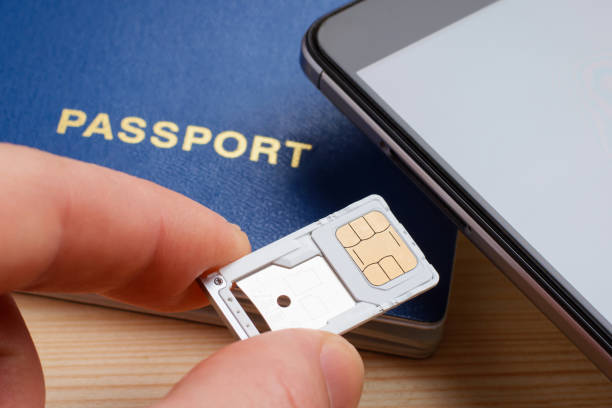
Frequent travellers don’t have patience for kiosk lines or fumbling with a paperclip trying to pop a tray open in a rush between connecting flights. They need something that just works the second the plane lands.
What Makes Frequent Travel So Hard On Connectivity?
Every border crossing used to mean a new SIM card hunt. New network. New top-up process. New confusion trying to figure out data rates in a language you don’t speak fluently. Multiply that by five or six countries in a single trip and the whole thing turns into a chore nobody signed up for. Add jet lag and tight layovers into the mix and suddenly finding a phone shop feels like more effort than the actual meeting or trip itself warranted.
How Do Global eSIM Cards Actually Solve This?
One digital profile. Coverage across dozens of countries. No swapping anything physical at any border. Global eSIM Cards work through software activation so a traveler bouncing from Germany to Thailand to Brazil within the same month doesn’t need three separate purchases or three separate pieces of plastic rattling around a wallet. Switching networks often happens automatically too depending on the provider. Land somewhere new and the phone picks up local coverage without any manual fiddling required.
Do These Cards Actually Cover Enough Countries To Matter?
Coverage varies by provider though the better ones now span well over a hundred countries under a single plan. That’s a massive range for someone whose work or lifestyle involves constant movement across continents rather than sticking to one region.
Checking the coverage list before buying still matters since not every provider covers every corner of the globe equally. Some lean heavily toward Europe and Asia while offering thinner coverage elsewhere.
Does Buying One Global Plan Actually Save Money Over Time?
For someone traveling constantly yes almost always. Buying individual local SIMs or plans for every single country adds up fast especially with the wasted data left unused each time a trip wraps up early. A global plan spreads cost more efficiently across an entire year of travel instead of resetting the budget every time you land somewhere new. Frequent flyers who track their expenses closely often notice the savings within just a few trips especially compared to standard roaming fees through a home carrier.
Can You Really Skip Local SIM Shops Entirely Now?
Mostly yes. Global eSIM Cards remove the need to track down a local shop the moment you land which matters a lot when arriving somewhere late at night or during a holiday when shops are closed anyway. Setup happens ahead of time from home which means arriving already connected instead of standing at arrivals hunting for wifi first.
There are still edge cases where a local SIM makes more sense such as extremely remote regions with limited eSIM provider coverage but for most frequent travel routes the global option covers it fine.
What About Keeping A Home Number Active While Abroad?
This part matters a lot for business travelers especially. Most phones support dual SIM setups so a traveler’s home number stays reachable for calls and texts even while the global eSIM handles data separately. Clients and colleagues can still reach the usual number without the traveler paying brutal roaming rates just to stay in touch. That combination of one global data plan plus a still-active home number covers most of what a frequent traveler actually needs without carrying two phones.
Is Managing Multiple Trips Easier With One Provider?
Definitely simpler in most cases. Sticking with a single provider for global coverage means one app one account and one place to check remaining data across every trip instead of juggling five different apps from five different countries throughout the year. Reordering or topping up data also becomes routine rather than a fresh learning curve every time a new destination pops up on the calendar.
Are There Any Downsides Worth Knowing About First?
A few things to watch for. Data speeds sometimes dip slightly compared to a local carrier’s own network in certain regions. Coverage in very remote or less-developed areas can be spottier than advertised. And not every older phone supports eSIM technology at all which rules this option out for some travelers entirely. Checking device compatibility and reading recent reviews for specific regions before committing avoids most of these surprises.
Final Thoughts
Constant travel already comes with enough moving parts between flights hotels and time zones without adding a connectivity scramble to the list. Global eSIM Cards strip away one of the more annoying parts of frequent travel by keeping data access simple no matter how many borders get crossed in a month. For anyone living a life packed with flights and shifting time zones this small setup step pays off in saved time saved money and a lot less standing around airports trying to get a signal.
FAQs
Do global eSIM cards work in every country?
Most cover well over a hundred countries though checking the specific coverage list before buying avoids surprises in less common destinations.
Can I use a global eSIM alongside my regular phone number?
Yes most phones run dual profiles so your home number stays active for calls and texts while data runs through the global eSIM.
Are global eSIM cards more expensive than buying local SIMs each trip?
Usually cheaper over time for frequent travelers since it avoids repeated purchases and wasted leftover data from short local plans.
Does data speed suffer with a global eSIM compared to a local SIM?
Sometimes slightly depending on the region but most frequent travelers find the difference minor compared to the convenience gained.
What happens if my phone doesn’t support eSIM technology?
You’ll need to rely on physical SIM cards or a portable wifi device instead for connectivity during your trips.